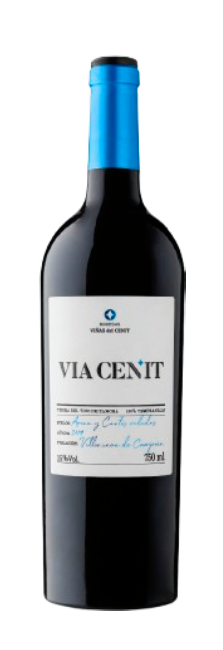
Starting in Seville and running all the way to Santiago, the Vía de la Plata – the “Southern Way” – is an ancient road opened in Roman times to move troops and goods between Mérida and Astorga. An emblematic route steeped in history, culture… and vineyards! One of its most fascinating spots is Villanueva de Campeán, a small village in Zamora (Castile and León) with few inhabitants but a great hidden treasure: Tempranillo vines around 80–100 years old. These old-rooted vines have given rise to wines with plenty of personality thanks to Viñas del Cénit, a project founded in 2004 by José Manuel Benéitez to create wines that do not just get drunk but tell stories. Vía Cénit is a great example. It has everything you could want from such a rich and diverse land: Tempranillo vineyards at 750 metres, on mixed soils of sand, pebbles and clay, under an extreme continental climate with cold winters and dry, hot summers. A place where only the toughest vines survive… and the best grapes are born. The winemaking is as carefully tended as the surrounding landscape. After a double selection of bunches and berries, fermentation takes place in stainless steel tanks, with each plot handled separately to bring out its full expression. The wine then matures for 14 months in French oak barriques, 60% of them new. The result is a deep, elegant wine, very true to its origins. So if you ever travel the Vía de la Plata and stop in the Tierra del Vino de Zamora, you will not only follow in the footsteps of the ancient Romans but also discover a world of authentic wines like Vía Cénit, a perfect reflection of the land it comes from.